
The last week in Northern Ireland has been a stark reminder that the Good Friday Agreement ended the
Troubles on paper, not in practice. What we’re seeing on the streets of Belfast and beyond is what happens
when Westminster and Stormont refuse to put the safety and cultural integrity of the British people first.
What sparked it
On 8 June 2026, a Sudanese asylum seeker, Hadi Alodid,
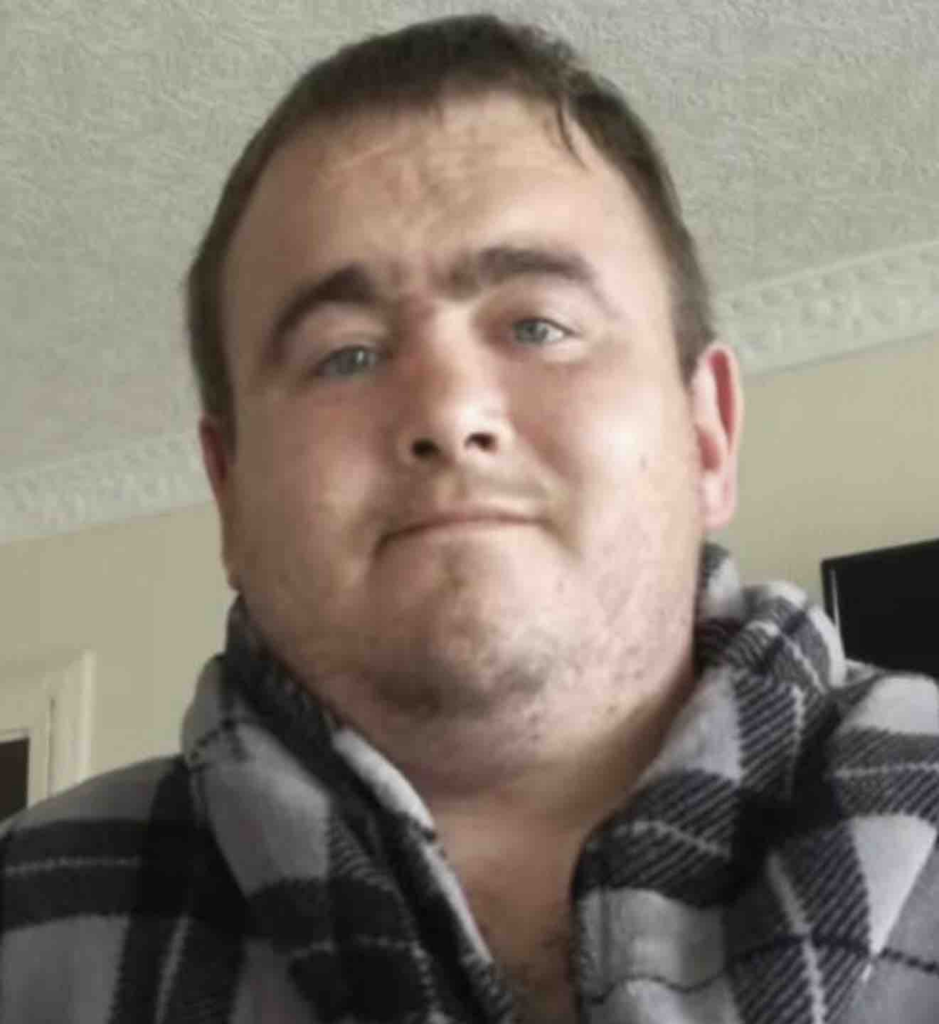
was charged after a knife attack in Belfast that left local man Stephen Ogilvie blinded and seriously injured. The attack
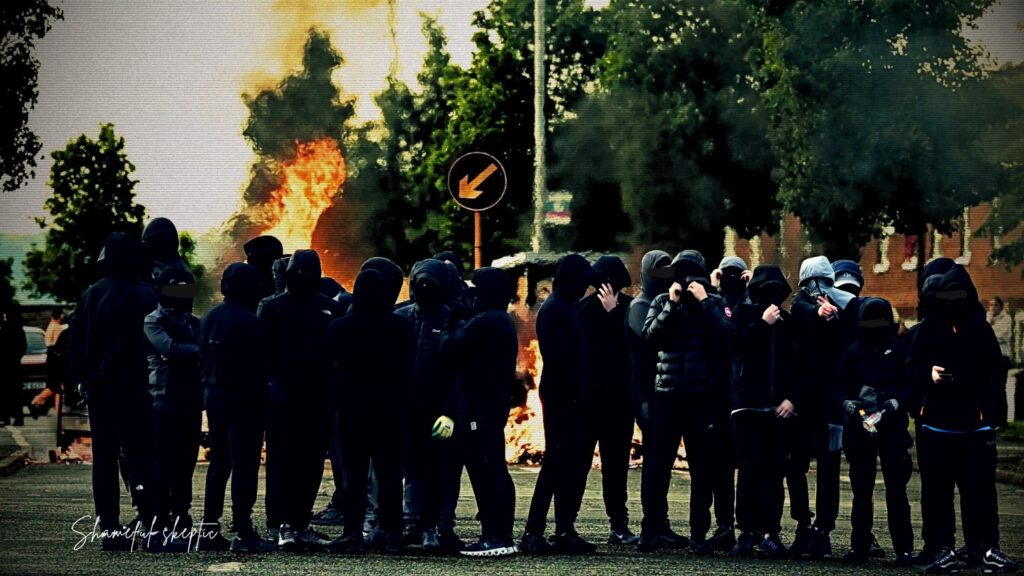
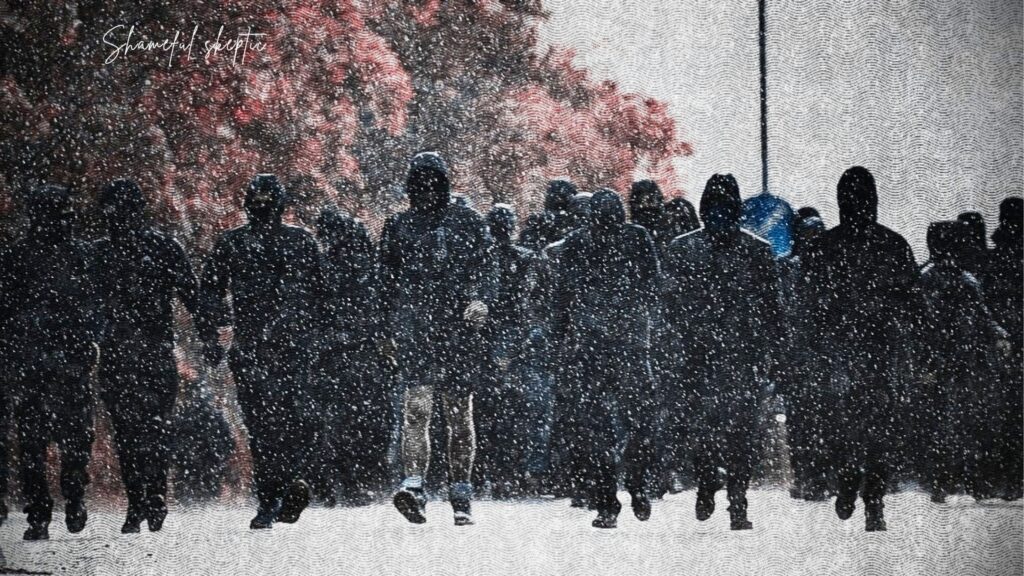
was the flashpoint. Within hours, crowds gathered in loyalist areas like Shankill Road and Newtownabbey. What started
as protests over immigration policy quickly turned into two
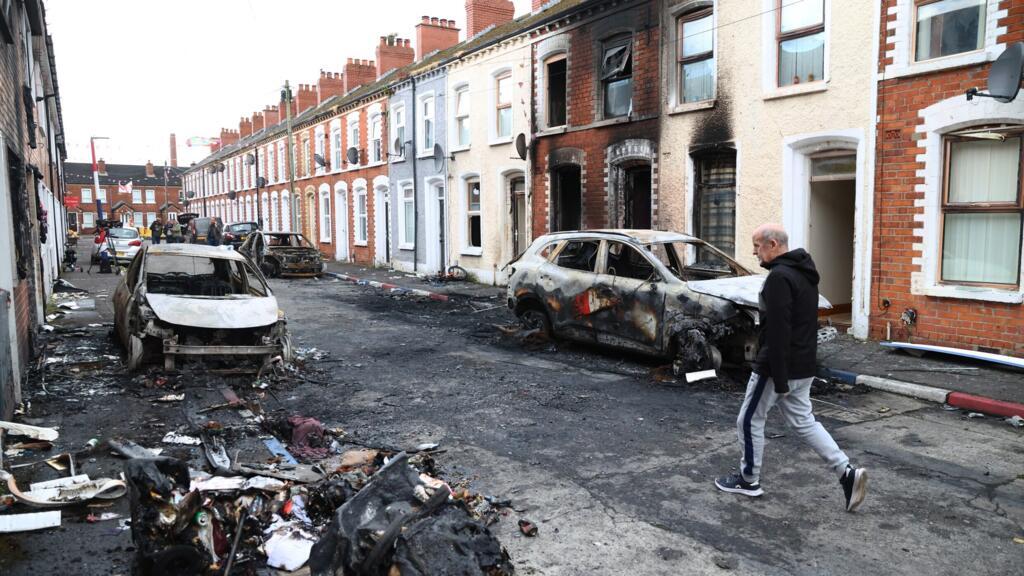
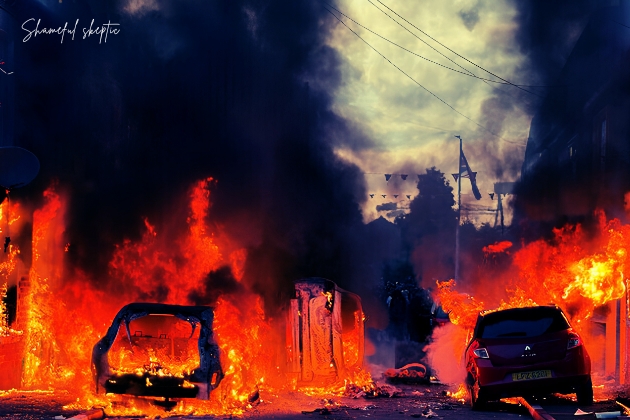
nights of rioting: bricks, petrol bombs, water cannon,
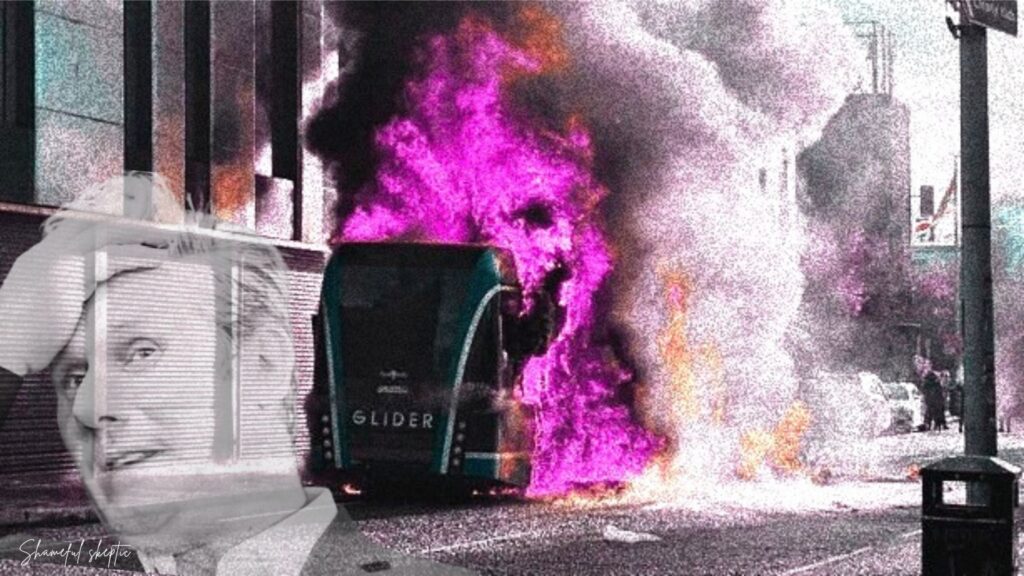
12 police officers injured, cars and buses torched, and
families burned out of their homes. The government line
from Northern Ireland Secretary Hilary Benn was immediate: “racist thuggery”. But that label sidesteps the core issue
driving people onto the streets
The border is open, and everyone knows it
Northern Ireland’s biggest problem isn’t sectarianism in 2026, it’s sovereignty.
The Ireland/Northern Ireland border is now a recognized back door into the UK asylum system. The National Crime
Agency admits organised crime groups systematically abuse the Common Travel Area, with smuggling gangs advertising
the Dublin route on TikTok as a “safer alternative to small boats”.DUP leader Gavin Robinson called it an “open, porous
border” in the Commons. He’s right. Since 2020, Britain has returned just one asylum seeker to Ireland under the post Brexit returns deal. Meanwhile, nearly 1,000 people without the right to be in Northern Ireland were removed last year
As Newton Emerson put it in The Times: “The back door into Britain cannot stay open for ever”. Unionists warned this would happen when a customs frontier was placed in the Irish Sea to keep the land border invisible. Now the bill is coming due,
and working-class loyalist communities are paying it first.
Law and order isn’t neutral anymore
The PSNI’s response to the riots has been heavy handed: plastic bullets, water cannon, mass arrests. Yet for months,
police were allegedly warned about anti-Immigration activists circulating addresses of properties that were later
targeted. Kashif Akram of Belfast Islamic Centre said “vigilante groups, going around acting like the Gestapo” were
reported to police repeatedly.
From a right wing view, the state has a double standard: it polices the reaction, not the cause. When a community feels
it’s been made to absorb rapid demographic change without consent, and when the attack on Stephen Ogilvie confirms
their worst fears, calling them “thugs” isn’t leadership it’s left wing alienation.
Reverend Brian Anderson, on the ground in Belfast, described it as “violence upon violence” and used the word “anarchy”. He’s not wrong. If the state won’t enforce the border, people will enforce their own boundaries. That’s not an endorsement
of rioting; it’s a prediction.
The legacy of the Troubles is being misused
Nationalists and left wing commentators are quick to frame this as a rerun of 1969. SDLP leader Matthew O’Toole accused
the DUP of using a “Paisleyite playbook”. The SDLP’s Claire Hanna said unionists “lean into people’s worst fears”.
But the analogy is backwards. In the 1960s, the grievance was a state that denied civil rights to Catholics. In 2026, the
grievance is a state that denies immigration control to Protestants and Catholics alike. The Belfast Agreement promised
peace, but peace without consent becomes resentment. And resentment, when mixed with housing shortages and 6,714
households now in temporary accommodation, becomes combustible.
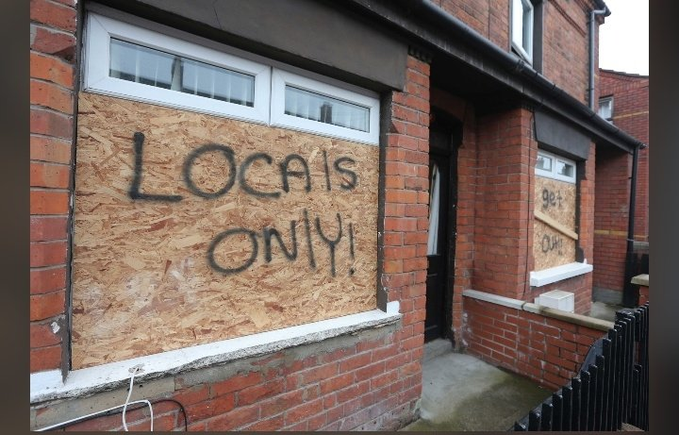
As one local told Middle East Eye after his house was burned: “It’s just disgusting”. Another resident, Norma, blamed
“outsiders … wrecking our place”. These aren’t far right agitators parachuted in they’re people who’ve lived there 13 years.
Where conservatives should stand
The riots are a symptom. The disease is a political class that treats border control as optional and then acts shocked when social trust collapses. Unionist leaders like Gavin Robinson are voicing what many feel: you can’t have an “open, porous border” and community cohesion
| Issue | Right wing position | What’s happening instead |
| Borders | Close the back door. Physical checks don’t violate the GFA if they’re intelligence-led and targeted | Only 1 asylum seeker returned to Ireland since 2020 |
| Asylum | Fast-track removals, end leave-to-remain for violent offenders | Suspect in Belfast attack had leave to remain |
| Policing | Even-handed: stop the gangs smuggling people, not just the people reacting to it | NCA says gangs abuse CTA but enforcement is “at border control posts” |
| Community | Prioritise housing and services for citizens first | Homelessness placements up 18% |
The road ahead
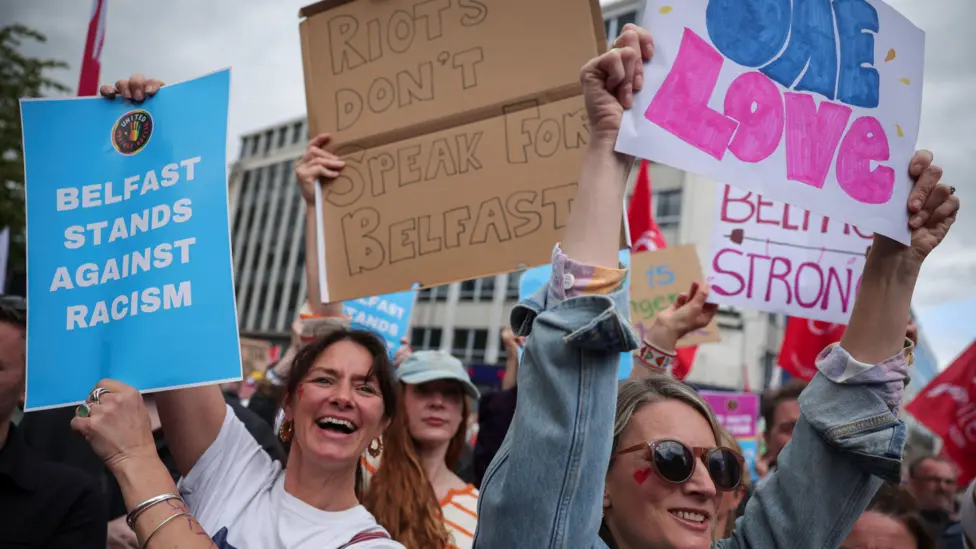
Thousands marched in Belfast and Derry on 13 June against the riots, which is their right. However marching against “racism” won’t fix the policy failure that caused this.
If London and Dublin want to stop the next riot, they need to do what Hilary Benn, Jim O’Callaghan and Naomi Long pledged on the phone: “prevent abuse of the CTA”. That means real enforcement, not press releases. It means admitting that the Irish Sea border didn’t solve the problem. Until then, expect more Shankill Roads, more burned buses, and more politicians calling working-class frustration “thuggery” while ignoring why it exists. Northern Ireland didn’t vote for mass migration. It voted for peace. The two aren’t the same, and pretending they are is how you get trouble.